
Introduction
The modern business environment is driven by data. Enterprises collect vast amounts of information from customer interactions, supply chains, financial transactions, and digital platforms. Yet, many organizations struggle to transform this data into meaningful decisions that generate measurable business outcomes. Traditional analytics tools are limited by static models, delayed reporting, and an inability to keep pace with evolving market conditions.
Adaptive AI represents a paradigm shift. It is not just about analyzing past performance; it is about continuously learning, evolving, and generating prescriptive recommendations that guide immediate decisions. Through adaptive AI development services, companies can connect data with strategy in real time, ensuring insights translate into actions that improve efficiency, customer engagement, and profitability.
Partnering with an adaptive AI development company or implementing adaptive AI development solutions enables enterprises to go beyond descriptive and predictive analytics. Adaptive artificial intelligence development empowers organizations to convert raw data into dynamic intelligence, supporting rapid decision-making and sustainable growth.
This article explores how adaptive AI is transforming the journey from data to decisions, detailing its applications, benefits, challenges, and long-term implications for enterprises aiming to thrive in a digital-first world.
The Challenge of Turning Data into Decisions
Enterprises today face a significant challenge: collecting and storing data is relatively straightforward, but interpreting it and acting upon it effectively is far more complex.
Common Barriers
Data Overload: Organizations collect terabytes of information, but without intelligent analysis, much of it remains unused.
Delayed Insights: Traditional reporting cycles fail to provide timely guidance for immediate decisions.
Fragmented Systems: Data silos across departments prevent holistic decision-making.
Static Models: Conventional analytics rely heavily on historical data, making them less effective in volatile markets.
Human Bias: Decisions often rely on subjective judgment rather than objective, data-driven insights.
Adaptive AI development services overcome these barriers by applying continuously evolving algorithms that process large volumes of structured and unstructured data in real time. Adaptive AI development solutions identify patterns, anticipate changes, and recommend actions that can be executed immediately.
What Makes Adaptive AI Different?
Adaptive AI is distinguished by its ability to learn continuously from new data inputs and adjust its models accordingly. Unlike traditional AI, which may require retraining when conditions shift, adaptive AI self-updates to remain relevant in dynamic environments.
Core Capabilities
Real-Time Learning: Adaptive artificial intelligence development enables AI models to evolve instantly with changing data streams.
Prescriptive Insights: Rather than only predicting outcomes, adaptive AI recommends specific actions.
Context Awareness: Adaptive AI development solutions incorporate situational factors such as market conditions, consumer behavior, and regulatory changes.
Cross-Functional Integration: Adaptive AI development services unify data across departments for enterprise-wide decision-making.
For organizations, this means a seamless transition from data collection to actionable strategy—turning insights into measurable business outcomes with minimal delay.
Applications of Adaptive AI in Converting Insights into Business Outcomes
Adaptive AI is not limited to one sector or function. Its applications span across industries and business operations, ensuring data-driven decision-making at every level.
1. Customer Engagement and Personalization
Adaptive AI development services enable enterprises to create hyper-personalized experiences.
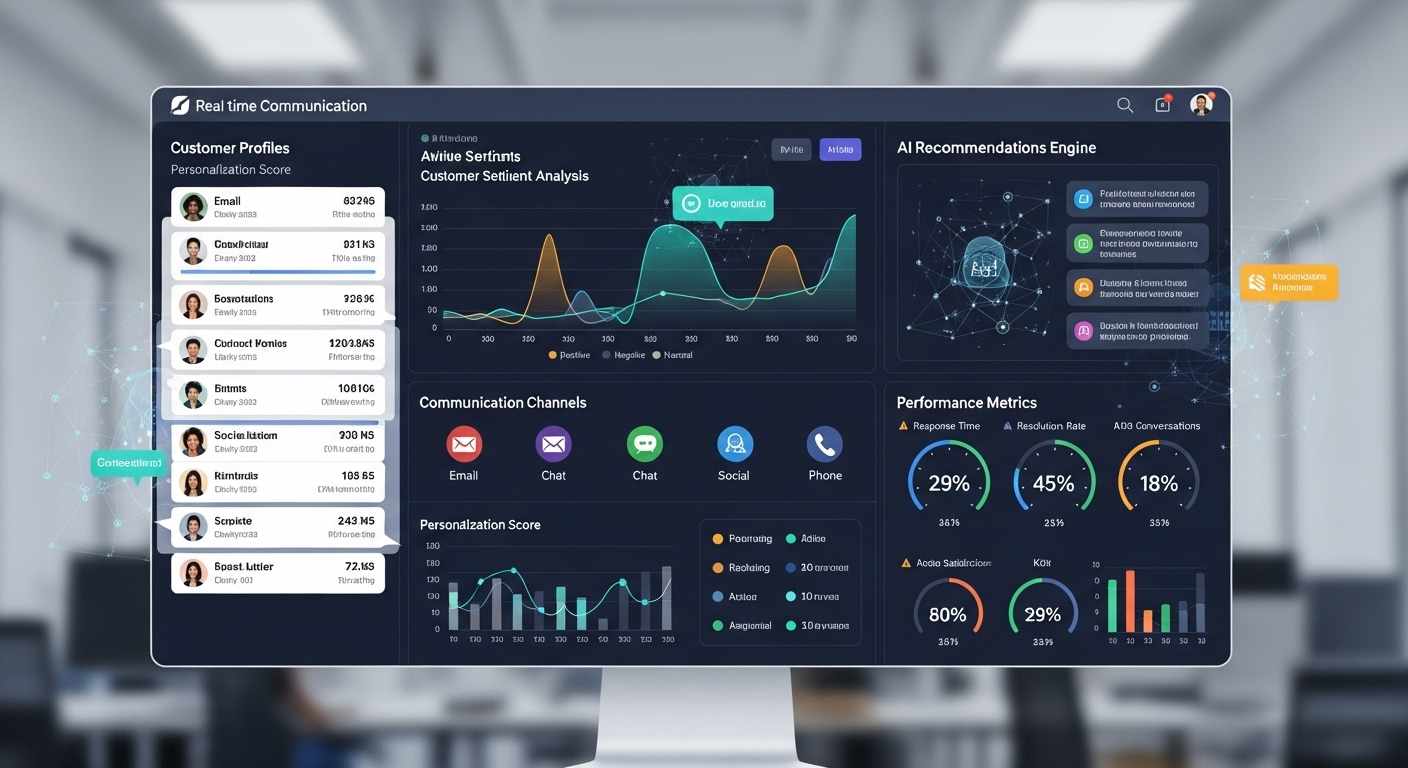
Real-Time Personalization: Adaptive AI development solutions adjust marketing messages, product recommendations, and customer support strategies in real time.
Customer Journey Optimization: Adaptive artificial intelligence development solutions analyze customer interactions across touchpoints to recommend next-best actions.
Churn Prevention: Adaptive AI development companies provide predictive insights to identify at-risk customers and suggest targeted retention strategies.
Outcome: Increased customer satisfaction, loyalty, and lifetime value.
2. Supply Chain and Operations
Adaptive AI development solutions optimize complex supply chains by aligning resources, logistics, and demand forecasting.
Predictive Forecasting: Adaptive AI anticipates demand fluctuations and adjusts procurement accordingly.
Inventory Optimization: Adaptive AI development services reduce waste and improve stock management.
Operational Agility: Adaptive artificial intelligence development services enable real-time adjustments in production and distribution.
Outcome: Reduced costs, improved efficiency, and faster response to disruptions.
3. Financial Decision-Making
Finance teams benefit from adaptive AI development solutions that provide predictive and prescriptive insights.
Risk Management: Adaptive AI development services analyze financial risks and recommend mitigation strategies.
Investment Decisions: Adaptive artificial intelligence development solutions highlight high-return opportunities.
Fraud Detection: Adaptive AI development companies deploy AI systems that evolve to detect new fraud patterns in real time.
Outcome: Improved profitability, reduced risk exposure, and more informed financial strategies.
4. Workforce Management
Adaptive AI enhances productivity and employee engagement by turning HR data into actionable insights.
Personalized Learning: Adaptive AI development services design tailored training programs to close skill gaps.
Attrition Prediction: Adaptive artificial intelligence development solutions identify employees likely to leave and recommend interventions.
Productivity Optimization: Adaptive AI development solutions balance workloads across teams to reduce burnout.
Outcome: Increased workforce efficiency, higher employee satisfaction, and improved retention.
Benefits of Adaptive AI in Driving Immediate Outcomes
Speed: Adaptive AI development services enable faster decision-making by eliminating lag between insight generation and execution.
Accuracy: Adaptive AI development solutions continuously refine models for precise, data-driven recommendations.
Scalability: Adaptive artificial intelligence development solutions can handle massive data volumes across global enterprises.
Agility: Adaptive AI development companies empower organizations to adapt rapidly to volatile environments.
Value Creation: Real-time insights translate into tangible business improvements, from revenue growth to cost savings.
Case Studies: Adaptive AI in Action
Retail Sector
A multinational retailer implemented adaptive AI development solutions to optimize inventory management. By analyzing real-time sales and customer trends, the system reduced overstock by 20% and improved product availability, leading to a significant increase in revenue.
Healthcare Industry
Hospitals used adaptive artificial intelligence development services to monitor patient data in real time. The AI system provided prescriptive recommendations for resource allocation, reducing wait times and improving care delivery.
Financial Services
Banks integrated adaptive AI development companies to enhance fraud detection. The adaptive systems continuously learned from transaction data, identifying suspicious activities faster than traditional models and reducing fraud-related losses significantly.
Overcoming Challenges in Adaptive AI Implementation
While the potential is immense, organizations face certain challenges when deploying adaptive AI development solutions.
Data Quality Issues: Poor or inconsistent data can reduce the effectiveness of AI models.
Integration Complexity: Adaptive AI must integrate seamlessly with existing IT systems and workflows.
Employee Resistance: Cultural resistance to AI-driven decision-making may hinder adoption.
Regulatory Compliance: Adaptive artificial intelligence development companies must ensure AI systems comply with privacy and ethical standards.
High Initial Costs: Investments in infrastructure, expertise, and solutions may be substantial.
Mitigation Strategies:
Invest in robust data governance frameworks.
Collaborate with experienced adaptive AI development companies.
Emphasize human-AI collaboration to build trust.
Adopt phased implementation with measurable milestones.
The Strategic Role of Adaptive AI Development Companies
Adaptive AI development companies play a critical role in helping enterprises harness the power of adaptive AI. They provide expertise in designing, deploying, and scaling adaptive AI development solutions tailored to specific business needs.
Services offered by adaptive AI development companies often include:
Custom adaptive AI development services for enterprise challenges.
End-to-end adaptive AI development solutions integrating with legacy systems.
Adaptive artificial intelligence development services that ensure compliance and scalability.
Ongoing optimization of AI systems for evolving business needs.
Engaging with the right adaptive artificial intelligence development company ensures organizations can move beyond experimentation to enterprise-wide adoption, maximizing business outcomes.
Future Outlook: Adaptive AI as a Decision-Making Partner
The future of adaptive AI lies in its role as a trusted partner in enterprise decision-making.
Autonomous Decisions: Adaptive AI development solutions will handle routine decisions, freeing humans for strategic thinking.
Collaborative Intelligence: Human expertise will combine with adaptive AI insights to enhance judgment and creativity.
Expanded Use Cases: From sustainability initiatives to global market expansion, adaptive artificial intelligence development solutions will support diverse strategic objectives.
Ethical AI Practices: Adaptive AI development services will increasingly focus on transparency, fairness, and accountability.
Organizations that embrace adaptive AI today will be positioned to lead in an economy where speed, accuracy, and adaptability define success.
Conclusion
Adaptive AI is revolutionizing how enterprises convert data into immediate business outcomes. By leveraging adaptive AI development services and solutions, organizations can move beyond static analytics to dynamic, prescriptive decision-making that drives real results. Whether through customer engagement, supply chain optimization, financial decision-making, or workforce management, adaptive AI empowers businesses to act swiftly, intelligently, and effectively.
Engaging with an adaptive AI development company or implementing adaptive artificial intelligence development solutions ensures that enterprises maximize value from their data while maintaining agility in a volatile marketplace. The future of decision-making is not about more data—it is about better, faster, and smarter actions powered by adaptive AI.








Write a comment ...