
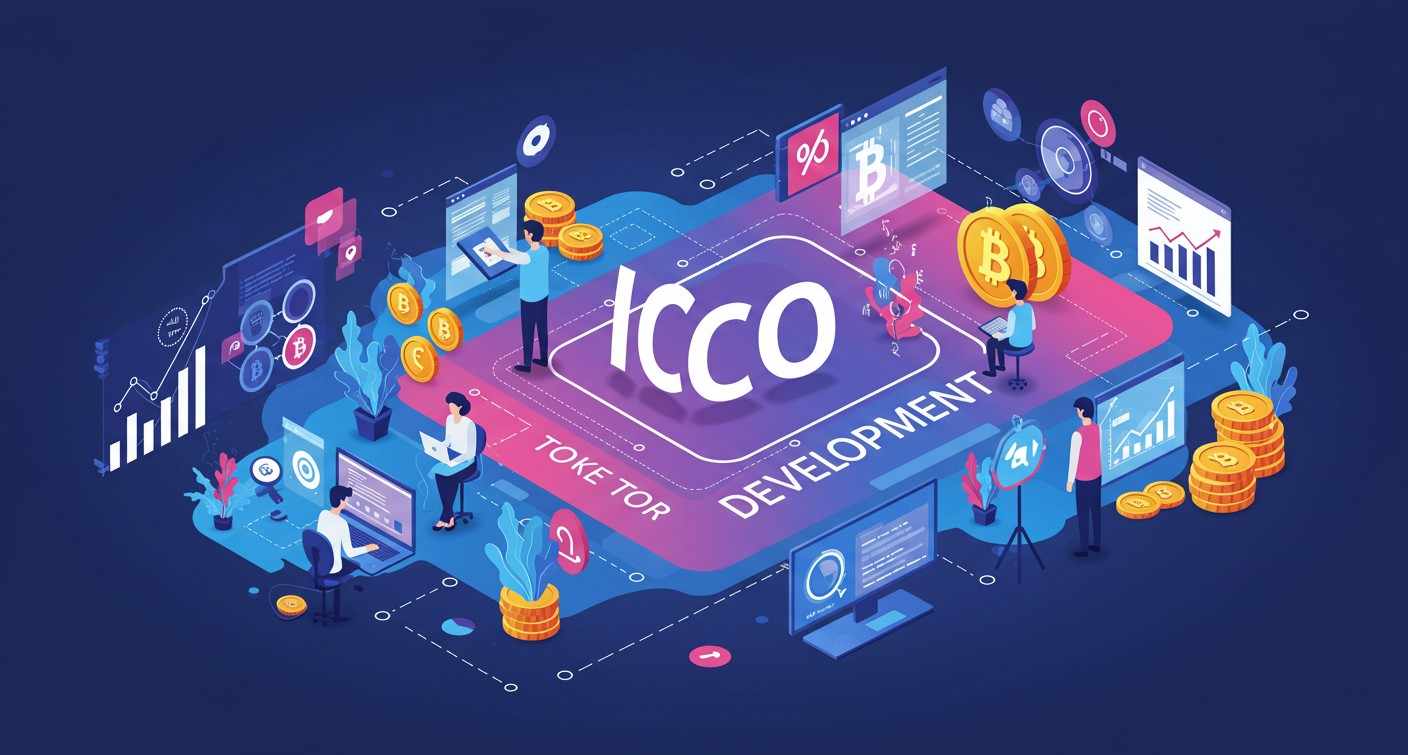
In 2025, the landscape of Initial Coin Offerings (ICOs) is more complex, competitive, and opportunity-rich than ever before. The rapid evolution of blockchain technology, coupled with increasing regulatory oversight and shifting investor expectations, has transformed ICOs from speculative fundraising tools into structured, multi-phase strategic undertakings.
A successful ICO today demands more than just a great idea or a technically sound token. It requires a multi-layered development approach — one that unites robust smart contract engineering, compliant governance, strategic marketing, investor trust-building, and active community engagement into a cohesive ecosystem.
Modern startups that partner with a professional ICO development company understand that launching a token is no longer the finish line — it’s the beginning of a broader digital economy.
This in-depth article explores how forward-thinking ICO development agencies structure their processes — from the first lines of smart contract code to the continuous art of community building — and how these layers converge to create sustainable blockchain projects in 2025 and beyond.
1. The New Reality of ICO Development in 2025
The ICO market has matured significantly since its early years. What was once an unregulated environment is now a sophisticated, highly competitive ecosystem shaped by three defining trends:
Technical Maturity: Advanced Layer-1 and Layer-2 blockchains have introduced greater scalability, interoperability, and lower transaction fees.
Investor Sophistication: Investors now demand transparency, compliance, and clear token utility before committing funds.
Regulatory Evolution: Jurisdictions around the world are creating structured frameworks that protect investors and legitimize compliant token offerings.
In this environment, startups cannot rely on hype-driven marketing or short-term token speculation. They must work with an ICO development agency that combines technological mastery with strategic foresight — orchestrating a process that ensures both immediate success and long-term viability.
2. Layer One: Smart Contract Engineering — The Technical Core of Trust
Every successful ICO begins with smart contract development. These self-executing programs govern token creation, sale distribution, and post-launch utility, ensuring transparency and immutability.
A. Designing Robust Smart Contracts
A professional ICO software development company starts by understanding the project’s unique tokenomics and designing custom smart contracts accordingly. These contracts handle:
Token issuance and supply control.
Crowdsale management, including hard and soft caps.
Vesting schedules for founders and investors.
Automatic reward distribution for staking or referrals.
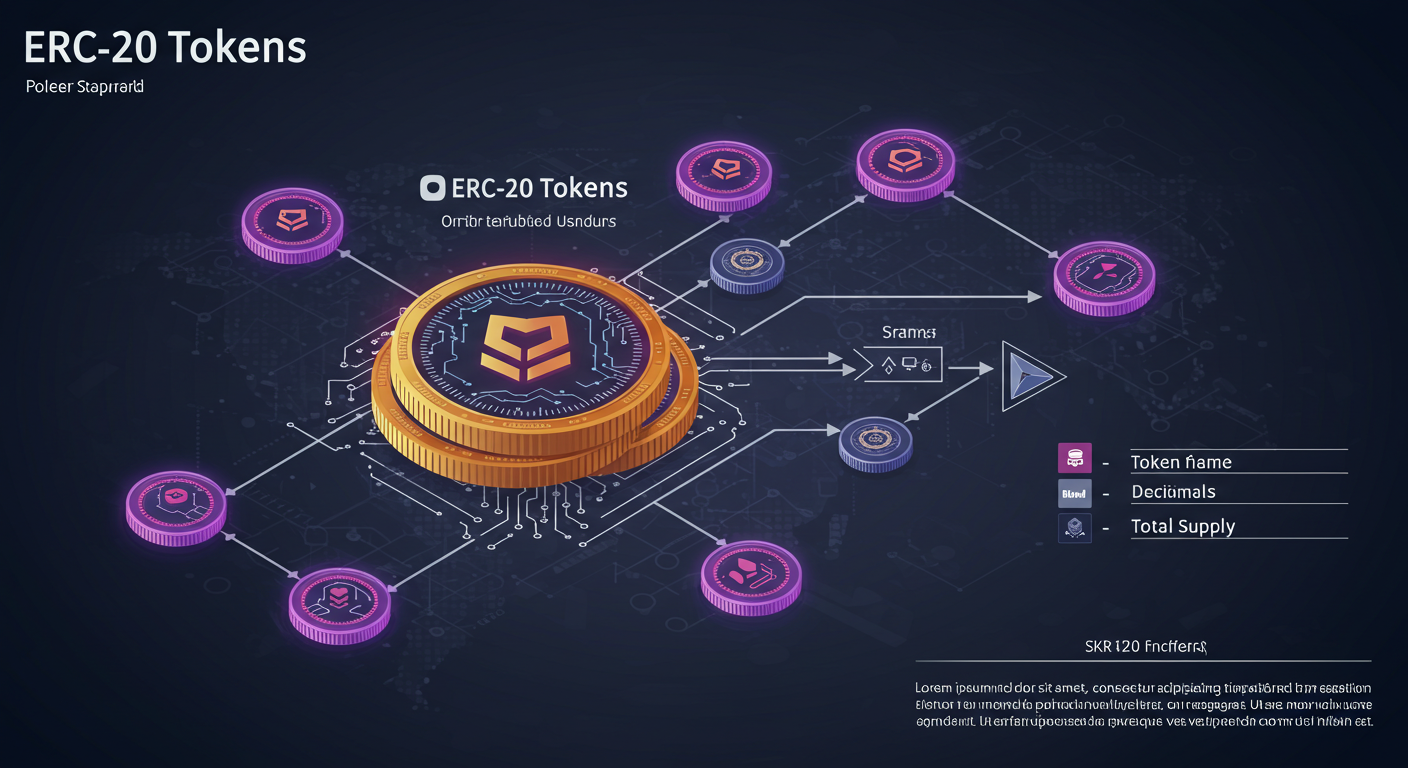
Top agencies employ modular architectures and industry standards such as ERC-20, ERC-721, or ERC-1155, depending on token utility. This approach allows for scalability and upgrades while minimizing vulnerabilities.
B. Multi-Layer Security and Auditing
Security is non-negotiable. Each smart contract undergoes rigorous internal testing followed by independent third-party audits. Vulnerability assessments cover:
Reentrancy and overflow/underflow attacks.
Access control vulnerabilities.
Gas optimization inefficiencies.
Logic inconsistencies in token distribution.
Post-audit transparency — publishing audit reports publicly — is a growing norm among professional ICO development companies. It reassures investors that the project operates with integrity and technical soundness.
C. Multi-Chain and Cross-Chain Capability
In 2025, ICOs are no longer confined to a single blockchain. Agencies increasingly build multi-chain solutions using Ethereum, BNB Smart Chain, Polygon, Solana, and emerging Layer-2 protocols.
This interoperability ensures:
Lower transaction costs for investors.
Broader market participation.
Increased liquidity across ecosystems.
Such flexibility is one of the hallmarks of modern ICO software development services — optimizing reach and performance through cross-network integration.
3. Layer Two: Tokenomics Design and Financial Architecture
Behind every successful ICO lies a well-engineered economic system. Tokenomics defines the financial logic that governs token supply, demand, and long-term sustainability.
A. Building a Balanced Token Economy
A skilled ICO development company models tokenomics using data-driven projections. The balance must serve three primary stakeholders — investors, users, and project developers.
A robust model includes:
Controlled total supply to maintain scarcity.
Gradual release schedules to prevent price dumping.
Staking or reward mechanisms to encourage holding.
Ecosystem incentives that link token usage to platform growth.
B. Liquidity and Treasury Management
An advanced ICO design incorporates treasury mechanisms that stabilize liquidity. Top agencies develop smart contracts for automated liquidity pools, token burns, and buyback models that manage market volatility.
Such proactive financial planning separates professional ICOs from projects that collapse under speculative pressure.
C. Governance Integration
Tokenomics is incomplete without governance. Tokens that allow holders to vote on key project decisions encourage participation and align investor interests with project success.
ICO development agencies now embed DAO-ready frameworks into their smart contracts — ensuring that governance features can be activated post-launch without major reengineering.
4. Layer Three: Compliance and Regulatory Engineering
As global jurisdictions evolve their stance on digital fundraising, regulatory compliance has become one of the most defining features of a trustworthy ICO.
A. Legal Structuring and Jurisdiction Selection
A professional ICO development agency collaborates with legal partners to define compliant structures. This includes determining whether the token qualifies as a utility or security, selecting appropriate jurisdictions, and adhering to local KYC/AML standards.
Jurisdictions with favorable blockchain laws attract legitimate projects — enabling ICOs to operate transparently and build investor trust globally.
B. Integrated KYC and AML Systems
Modern ICO dashboard development companies integrate real-time KYC (Know Your Customer) and AML (Anti-Money Laundering) verification tools directly into investor dashboards. These automated checks streamline the onboarding process while ensuring legal compliance.
The seamless integration of regulatory automation reduces administrative burdens and enhances user experience, reinforcing both trust and efficiency.
C. Documentation and Transparency
Comprehensive documentation — including a well-structured whitepaper, token sale terms, and privacy policies — is another layer of compliance.
Professional agencies ensure that all materials are drafted clearly, legally sound, and aligned with international best practices. This transparency signals maturity and responsibility, setting apart credible ICOs from opportunistic ventures.
5. Layer Four: Strategic Marketing and Investor Communication
Even the most technically advanced project can fail if it lacks visibility and a compelling narrative. Marketing in 2025’s ICO ecosystem is no longer about hype; it’s about education, trust, and community alignment.
A. Brand and Narrative Architecture
A ICO development company with strong marketing capabilities begins by defining a coherent narrative — explaining what problem the project solves and how the token fits into the solution.
The messaging must be consistent across all materials: website, whitepaper, dashboard, and community channels. Authentic, value-driven storytelling differentiates legitimate ICOs from speculative projects.
B. Data-Driven Campaigns
Marketing today is highly analytical. Professional ICO development services leverage analytics platforms to measure engagement rates, conversion ratios, and campaign effectiveness in real time.
Insights from these metrics allow teams to fine-tune messaging, budget allocation, and community targeting — ensuring maximum ROI and consistent investor engagement.
C. Global Visibility Through Multi-Channel Strategy
ICO agencies deploy comprehensive communication strategies across:
Social media and crypto forums.
PR coverage in blockchain-focused publications.
AMAs and webinars hosted by project leaders.
Content-driven marketing through articles and newsletters.
This ensures global reach, credibility, and sustained engagement across various investor demographics.
6. Layer Five: ICO Dashboard Development — The Hub of Transparency
A transparent, functional dashboard is the bridge between technology and investors.
A. Real-Time Sale Monitoring
Professional ICO dashboard development companies create investor portals that display live token sale metrics, purchase confirmations, and vesting progress.
Dashboards also support multi-wallet connectivity (MetaMask, Trust Wallet, etc.), allowing users to contribute securely and seamlessly.
B. Integrated Analytics and Reporting
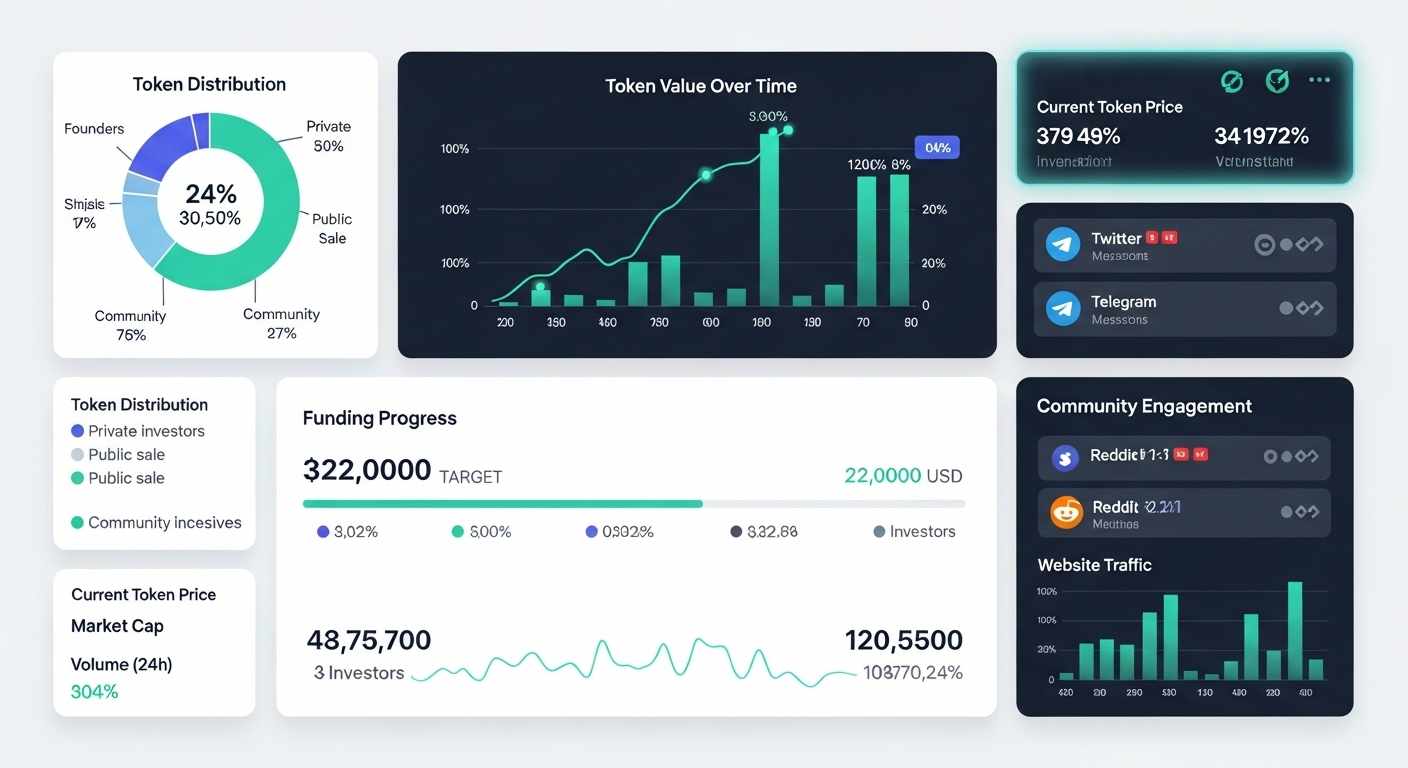
Modern dashboards include built-in analytics — showing transaction volumes, token distribution, and wallet-level participation. This transparency not only builds trust but also gives founders real-time insights into investor behavior.
C. Enhanced User Experience
UI/UX design is central to dashboard success. Clean interfaces, responsive layouts, and multilingual accessibility ensure inclusivity and professionalism — qualities investors now expect as standard in 2025’s ICO landscape.
7. Layer Six: Post-ICO Development and Ecosystem Expansion
Launching a token is only the start of the journey. Sustaining momentum post-ICO requires continuous innovation, technical upgrades, and community engagement.
A. Exchange Integration and Liquidity Management
A reliable ICO software development company assists projects with exchange listings — managing liquidity pools and automated market-making. This ensures that token trading remains stable, accessible, and attractive to both early and new investors.
B. Continuous Technical Upgrades
The blockchain ecosystem evolves rapidly. Smart contracts may require optimization or feature additions as networks introduce new standards.
Top ICO agencies provide long-term technical support — ensuring project infrastructure remains future-proof, scalable, and compliant with emerging interoperability protocols.
C. Utility Expansion and Ecosystem Partnerships
Post-ICO success depends on expanding token use cases. Partnerships with DeFi platforms, NFT marketplaces, or payment providers increase token circulation and reinforce long-term value.
Such ecosystem expansion transforms the project from a token sale into a thriving Web3 economy.
8. Layer Seven: Community Building — The Heart of Long-Term Success
Perhaps the most underestimated but essential layer of ICO success is community building. In 2025, community is not merely a marketing tool; it’s an operational pillar that sustains project momentum.
A. Building Transparent Communication Channels
Investors demand consistent updates and open communication. Professional ICO development agencies help projects establish:
Telegram and Discord communities moderated by experienced teams.
Regular AMAs with project founders.
Newsletters and blog updates documenting progress.
These practices humanize the project and reinforce investor confidence over time.
B. Reward and Incentive Systems
Gamified incentive programs such as staking rewards, referral bonuses, or governance participation foster loyalty and engagement.
Modern ICO development solutions integrate these reward systems directly into smart contracts, automating distribution and ensuring fairness.
C. Governance and Decentralized Involvement
The shift toward DAO-based governance marks the new era of ICO sustainability. Token holders can participate in decision-making, giving them ownership over project direction.
This shared governance model deepens community bonds and transforms investors into active stakeholders — a key differentiator of successful ICOs in 2025.
9. Layer Eight: Analytics and Continuous Improvement
No project can sustain growth without data-backed refinement. Top-tier ICO agencies use analytics to drive ongoing optimization.
A. Performance Tracking
Key metrics include:
Active wallet count and retention.
Trading volume and liquidity ratios.
Community participation rates.
On-chain governance activity.
Tracking these KPIs provides actionable insights for improving both technology and investor engagement.
B. Sentiment Monitoring
Artificial intelligence tools now analyze social sentiment, allowing project teams to identify potential issues early. This enables agile communication strategies that maintain a positive community atmosphere.
C. Adaptive Strategy
The best ICO development companies operate with agility. They analyze performance data, market shifts, and investor feedback to continually refine technical frameworks, marketing campaigns, and governance mechanisms.
10. Emerging Trends in 2025’s ICO Landscape
The future of ICO development is being shaped by several transformative trends:
AI and Predictive Tokenomics: Artificial intelligence models are helping agencies simulate investor behavior and optimize economic models before launch.
Cross-Chain Smart Contracts: Multi-chain interoperability allows tokens to exist across several ecosystems simultaneously.
Regulation-Ready Infrastructure: Agencies are adopting compliance-by-design methodologies to meet evolving legal standards.
Gamified Investment Platforms: Investor engagement now includes gamified dashboards and NFT-integrated participation systems.
Sustainability-Driven Projects: ESG-oriented blockchain startups are gaining traction, aligning environmental and social goals with token utility.
These trends underline the need for multi-layered expertise — where technical innovation, compliance, and human engagement intersect seamlessly.
11. The Integrated Model: Why Multi-Layered ICO Development Works
A multi-layered approach doesn’t treat each phase of ICO development as an isolated step. Instead, it synchronizes every layer into a single, continuous process:
Smart contracts provide trust and automation.
Tokenomics define value and stability.
Compliance builds legitimacy.
Marketing shapes perception.
Dashboards deliver transparency.
Post-launch development ensures continuity.
Community engagement sustains growth.
This interconnected framework ensures resilience, adaptability, and long-term project sustainability — all qualities investors prioritize in 2025.
12. Conclusion
In the modern blockchain economy, ICOs are no longer speculative fundraising events. They are sophisticated, multi-layered digital ecosystems built on trust, transparency, and utility.
From writing secure smart contracts to nurturing global communities, the role of a ICO development company has expanded far beyond coding. It now encompasses regulatory intelligence, tokenomics design, strategic marketing, and investor relations.
Projects that embrace this holistic approach — combining technology, transparency, and community — stand the best chance of not only launching successfully but thriving sustainably.
The future of ICOs belongs to those who understand that blockchain innovation is as much about people and purpose as it is about code and cryptography.








Write a comment ...