
Introduction: The Pressure of Modern Business Operations
In today’s rapidly evolving business environment, companies face mounting operational challenges. From managing increasing volumes of data and coordinating cross-functional teams to meeting growing customer expectations, organizations must operate efficiently while maintaining agility. Traditional manual workflows and siloed processes are no longer sufficient to meet these demands.
Operational struggles often manifest as delayed decision-making, inefficiencies, rising costs, and reduced employee productivity. Businesses need solutions that not only streamline operations but also provide actionable intelligence to support smarter decisions. AI copilots are emerging as a transformative solution that addresses these challenges through real-time automation and intelligence.
By leveraging advanced technologies like machine learning, natural language processing, and predictive analytics, AI copilots enhance operational efficiency, reduce errors, and enable organizations to respond proactively to dynamic business environments. Partnering with experienced AI copilot development companies ensures these systems are customized, scalable, and aligned with strategic business goals.
Understanding AI Copilots in the Context of Operations
An AI copilot is an intelligent, context-aware digital assistant designed to work alongside human employees. Unlike traditional automation tools, AI copilots do not simply follow predefined rules; they learn from data, adapt to changing conditions, and provide actionable recommendations in real time.
In operational contexts, AI copilots can:
Automate repetitive and time-consuming tasks
Monitor workflows and flag inefficiencies or bottlenecks
Consolidate and analyze data from multiple sources
Generate predictive insights for decision-making
Assist with resource allocation, scheduling, and planning
By combining automation with intelligence, AI copilots allow businesses to overcome operational struggles, optimize processes, and improve overall efficiency.
Common Operational Challenges Businesses Face
Understanding the challenges businesses face helps clarify the transformative potential of AI copilots. These challenges include:
Manual and Redundant Processes: Many operations still rely on manual input, which consumes time and increases the risk of errors.
Data Fragmentation: Critical information is often dispersed across multiple platforms, making it difficult to access and analyze quickly.
Inefficient Decision-Making: Without real-time insights, managers make reactive decisions rather than proactive, informed choices.
Resource Mismanagement: Ineffective allocation of resources leads to overburdened teams and wasted capacity.
Scalability Limitations: As businesses grow, traditional operational workflows struggle to keep up with increasing complexity.
AI copilots address these challenges by providing real-time intelligence, automating routine tasks, and centralizing data for actionable insights.
Real-Time Automation: The Key to Operational Efficiency
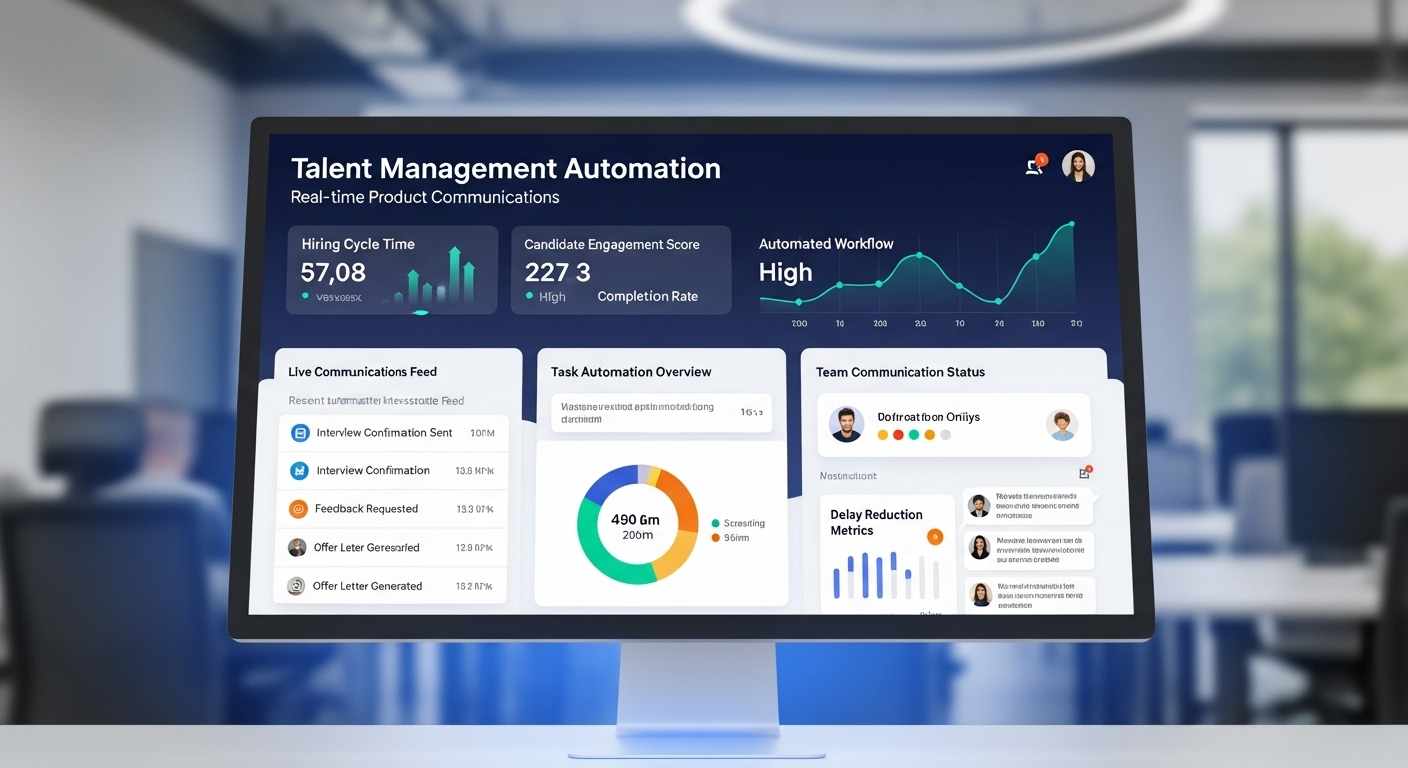
One of the most powerful aspects of AI copilots is their ability to automate tasks in real time. Unlike conventional automation systems, AI copilots learn from ongoing workflows and adjust processes dynamically. This results in significant efficiency gains and reduced operational friction.
Examples of real-time automation in operations include:
Process Monitoring: AI copilots continuously track operations, identifying delays, bottlenecks, or errors before they escalate.
Task Prioritization: By analyzing workload and deadlines, AI copilots assign priorities to tasks, ensuring critical actions are addressed promptly.
Data Handling: AI copilots can automatically collect, clean, and analyze data, providing accurate insights without human intervention.
Workflow Coordination: Across departments, AI copilots ensure that information flows seamlessly, tasks are aligned, and dependencies are managed efficiently.
By automating these elements in real time, businesses experience smoother operations, faster turnaround times, and reduced risk of human error.
Enhancing Decision-Making Through Intelligence
AI copilots do not merely automate; they provide intelligence that transforms decision-making. Real-time analytics allow managers and teams to make informed choices quickly, improving responsiveness and operational outcomes.
Key capabilities include:
Predictive Analytics: AI copilots analyze historical and current data to forecast potential challenges or opportunities.
Scenario Planning: By simulating different outcomes, AI copilots help leaders evaluate the potential impact of decisions before implementation.
Performance Insights: Continuous monitoring of workflows enables the identification of areas for improvement and optimization.
Proactive Recommendations: AI copilots suggest corrective actions, resource adjustments, and process enhancements in real time.
This intelligence enables businesses to shift from reactive problem-solving to proactive operational management.
Reducing Operational Costs
Operational inefficiencies often lead to increased costs, whether from redundant tasks, errors, or mismanaged resources. AI copilots help reduce these costs through automation, predictive insights, and intelligent resource allocation.
For instance, AI copilots can identify underutilized resources, optimize scheduling, and streamline workflows, ensuring that employees focus on tasks that provide the highest value. In addition, automation reduces manual errors, which can be costly to correct and may cause project delays.
By minimizing waste and maximizing resource efficiency, AI copilots contribute directly to improved operational performance and profitability.
Improving Workforce Productivity and Satisfaction
Repetitive tasks and inefficient workflows can frustrate employees, leading to burnout and decreased productivity. AI copilots alleviate this by automating low-value activities and providing support for complex decision-making.
Key benefits for the workforce include:
Reduced administrative burden, allowing employees to focus on strategic work
Real-time assistance in problem-solving and task management
Better visibility into priorities and deadlines, reducing stress and confusion
Enhanced collaboration through centralized information and workflow tracking
By empowering employees with tools that streamline work and enhance efficiency, AI copilots contribute to higher engagement, satisfaction, and retention.
Centralizing Data for Unified Operations
Operational struggles are often exacerbated by fragmented data sources. AI copilots consolidate information from multiple systems, providing a centralized view of operations.
Benefits of centralized data include:
Faster access to critical information for decision-making
Consistency across teams and departments
Reduced duplication of work and data entry errors
Enhanced reporting and performance tracking
With AI copilots analyzing and presenting insights in real time, businesses gain a holistic understanding of operational performance, enabling smarter strategies and more agile responses.
Supporting Scalability
As businesses grow, operational complexity increases. Traditional workflows can become bottlenecks, slowing down expansion and limiting efficiency. AI copilots provide scalable solutions that adapt to changing needs.
For example, AI copilots can:
Automatically adjust processes as workload increases
Forecast resource needs based on demand trends
Maintain workflow consistency across departments
Provide real-time monitoring and recommendations for scalable operations
These capabilities allow businesses to expand operations without proportional increases in manual effort, ensuring growth is sustainable and efficient.
Enhancing Operational Resilience
In an era of uncertainty, businesses must be resilient. AI copilots contribute to resilience by monitoring workflows, detecting anomalies, and providing predictive insights to prevent disruptions.
They can identify potential risks, such as system failures, supply chain delays, or resource shortages, and recommend proactive measures. This ensures that operations continue smoothly even in the face of unexpected challenges.
Measuring Success: ROI of AI Copilots
The return on investment from AI copilots can be measured through multiple dimensions:
Efficiency Gains: Faster completion of tasks and processes
Cost Savings: Reduced labor costs and fewer errors
Improved Productivity: Employees focus on high-value work rather than repetitive tasks
Operational Resilience: Fewer disruptions and quicker response times
Scalability: Workflows can grow with business expansion
These measurable benefits make AI copilots a strategic tool for organizations aiming to overcome operational struggles and achieve sustainable growth.
Overcoming Implementation Challenges
Despite their advantages, deploying AI copilots requires careful planning and expertise. Challenges may include:
Integrating AI with existing systems
Ensuring data quality and accessibility
Gaining employee adoption and trust
Managing change and setting realistic expectations
Partnering with an AI copilot development company addresses these challenges by providing end-to-end solutions, including workflow assessment, custom development, training, and ongoing support. This ensures seamless integration, high adoption rates, and maximum impact.
The Future of Operations with AI Copilots
AI copilots are set to become integral to operational strategy, evolving beyond task automation to strategic intelligence partners. Future capabilities will likely include:
Advanced predictive analytics across multiple departments
Real-time optimization of workflows based on performance trends
Proactive identification of operational inefficiencies
Integration with emerging technologies such as IoT and cloud infrastructure
Organizations that implement AI copilots now are positioning themselves for operational excellence, scalability, and resilience in the increasingly competitive business landscape.
Conclusion
Operational struggles can no longer be addressed solely through manual processes or conventional automation. AI copilots provide a powerful solution, combining real-time automation with intelligent insights to streamline workflows, reduce costs, and improve decision-making.
By partnering with an AI copilot development company, businesses ensure that these systems are customized, scalable, and aligned with strategic objectives. From automating routine tasks to enabling smarter, data-driven decisions, AI copilots transform operations into efficient, resilient, and future-ready processes.
Organizations that embrace AI copilots today are better equipped to overcome operational challenges, enhance workforce productivity, and achieve sustainable growth in a rapidly evolving business environment.










Write a comment ...