
The rise of decentralized technologies has fundamentally transformed how digital ecosystems operate. Utility-driven crypto tokens are at the core of this transformation, providing not only transactional value but also functional utility within Web3 platforms. These tokens allow users to access services, participate in governance, and contribute to the growth of decentralized communities. For businesses seeking to leverage the potential of blockchain, working with a professional AI Token Development Company ensures that tokens are strategically designed, secure, and aligned with long-term ecosystem objectives.
Understanding Utility-Driven Tokens
Utility tokens are not merely digital assets for trading; they serve as gateways to the functionalities of a blockchain ecosystem. By design, these tokens empower users to interact directly with decentralized applications, unlocking services, accessing features, and participating in platform-driven initiatives. Their core purpose is to increase engagement while creating measurable value within the network. Understanding utility tokens is critical for any project looking to establish an active community, promote consistent usage, and maximize the functional benefits of blockchain platforms. Proper implementation ensures long-term adoption and ecosystem growth.
Functional Access to Platforms
Utility tokens allow users to unlock features, access premium content, or participate in services within the blockchain environment. They integrate seamlessly with applications to enhance user experience.Encouraging User Engagement
Tokens can be used to reward participation, incentivize loyalty, or enable special privileges. This engagement strengthens community bonds and ensures consistent activity within the platform.Facilitating Ecosystem Growth
A well-designed token can attract partnerships and collaborations. Projects with high utility value often see faster adoption and a broader network effect, creating a self-sustaining ecosystem.Regulatory Compliance and Security
Ensuring that tokens adhere to legal frameworks and include robust security measures protects both the platform and its users from potential risks or misuse.
Tokenomics: Designing for Value and Sustainability
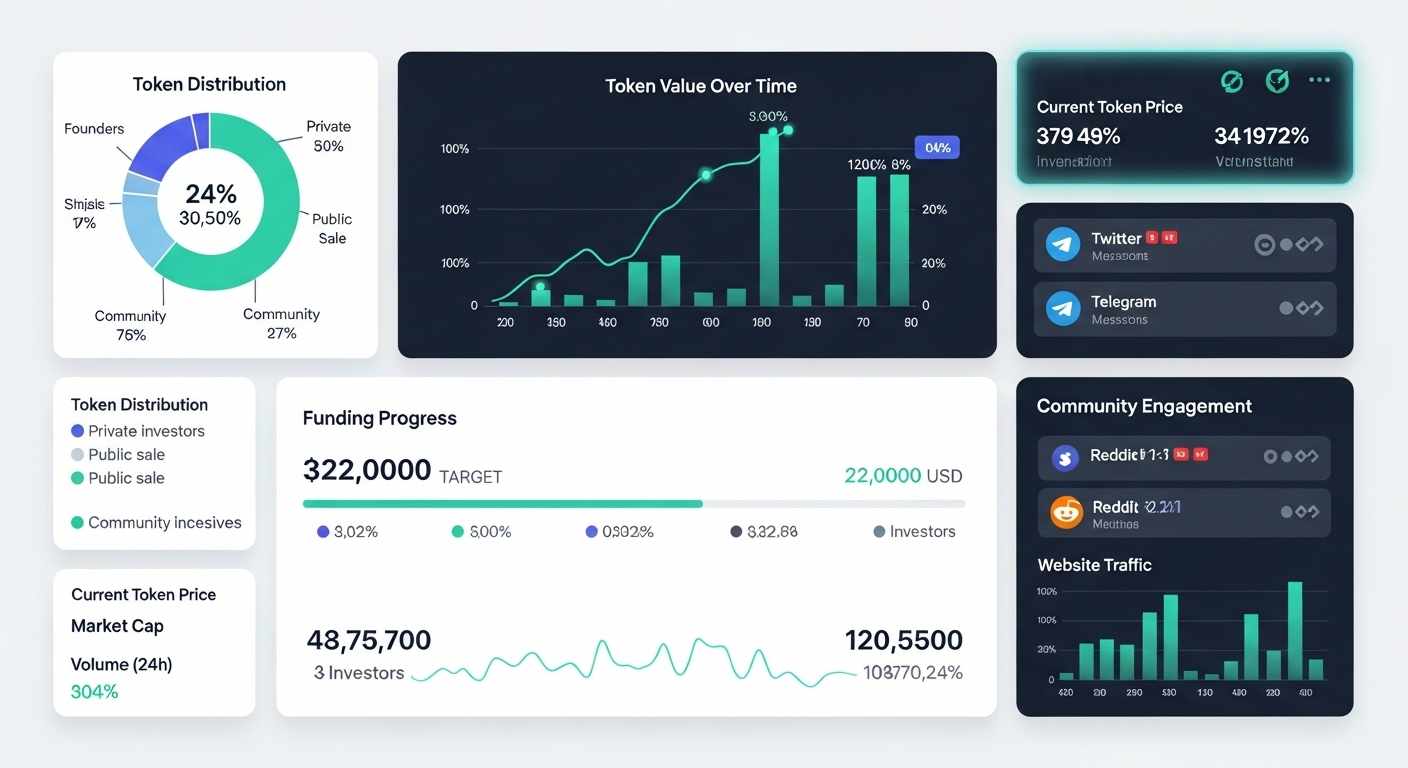
Tokenomics represents the economic blueprint for any crypto project, outlining how tokens are created, distributed, and utilized. It defines the underlying mechanisms that drive user participation, ensure fair distribution, and maintain value over time. Effective tokenomics aligns with both business objectives and user incentives, striking a balance between utility and speculative interest. Properly designed tokenomics can increase adoption, reward community involvement, and establish long-term sustainability. For a platform to thrive, understanding how tokenomics affects user behavior, network growth, and value retention is essential.
Defining Supply and Distribution
A fixed or controlled supply maintains scarcity and value. Strategic distribution prevents token hoarding and encourages widespread participation across the community.Incentive Structures for Users
Reward systems, staking programs, and referral incentives motivate active engagement, ensuring that users remain invested in the platform’s growth.Balancing Utility and Speculation
While market interest can attract investors, utility tokens must primarily serve functional purposes. Designing tokens that prioritize usability helps maintain stability and long-term value.Sustainability and Governance
Incorporating decentralized governance mechanisms empowers communities to influence platform decisions. This enhances user loyalty and fosters sustainable ecosystem development.
Smart Contract Development for Utility Tokens
Smart contracts are the foundation of token functionality, enabling automated, secure, and transparent interactions without the need for intermediaries. They provide the rules and mechanisms by which tokens operate, including transactions, rewards, and governance processes. A strong smart contract ensures reliability, trust, and operational efficiency, all of which are essential for a thriving token ecosystem. With proper development, these contracts allow for custom features and integration across platforms while maintaining security and compliance standards. Their design directly impacts user experience, adoption, and long-term project success.
Automated Transactions and Efficiency
Smart contracts facilitate instantaneous, trustless transactions, reducing the need for intermediaries and minimizing human error.Security and Transparency
Well-developed smart contracts are auditable and secure, ensuring that token operations are predictable and verifiable by users.Custom Features and Flexibility
Developers can implement advanced features such as staking, voting, and reward distribution, giving tokens versatile utility beyond standard transactions.Audit and Compliance Measures
Partnering with a professional AI Token Development Company ensures that smart contracts comply with industry standards and legal regulations, minimizing risks.
Integrating Tokens into Web3 Ecosystems
Utility tokens reach their full potential when they are seamlessly integrated into Web3 platforms and decentralized applications. Integration ensures tokens are functional, accessible, and widely adopted, providing tangible benefits to users. Proper integration supports interoperability across applications, simplifies user operations, and increases adoption in both DeFi and non-financial platforms. For developers and businesses, designing tokens with ecosystem compatibility in mind enhances usability and encourages engagement, resulting in stronger network effects and long-term growth. Tokens should be crafted to maximize both utility and community participation.
Interoperability with dApps
Tokens should function seamlessly across multiple decentralized applications, allowing users to transact, stake, or access services without barriers.Enhancing User Experience
By embedding tokens into platforms, operations such as subscriptions, in-app purchases, and access control become simplified, providing a smoother user journey.Supporting Decentralized Finance (DeFi)
Tokens can be utilized for lending, staking, or liquidity provision, extending their value beyond the primary ecosystem and attracting broader adoption.Community-Driven Growth
Allowing users to participate in governance, voting, and decision-making ensures that the community actively shapes the ecosystem, fostering loyalty and engagement.
Security Considerations in Token Development
Security forms the backbone of token trust and functionality. Inadequate security can compromise transactions, expose sensitive data, and damage reputation. For utility tokens, implementing comprehensive security measures is crucial to prevent fraud, unauthorized access, and technical failures. From smart contract audits to data privacy protocols, security strategies must cover all aspects of token operation. A proactive approach to security not only safeguards assets but also enhances user confidence, promoting wider adoption and long-term engagement in the ecosystem.
Smart Contract Audits
Conducting thorough audits helps identify vulnerabilities before deployment, preventing exploitation and ensuring operational reliability.Data Privacy and Protection
Protecting user information and transaction data is fundamental. Encrypted storage and secure protocols reduce potential breaches.Mitigating Fraud and Exploits
Implementing tested security measures and preventive protocols safeguards the ecosystem from malicious activities and unauthorized access.Regulatory Compliance
Adhering to legal standards not only reduces risk but also enhances credibility among investors and users, ensuring long-term sustainability.
Use Cases of Utility Tokens in Web3
Utility tokens are versatile tools with applications across various decentralized platforms, industries, and communities. They enable access, participation, and rewards, making them integral to the growth of Web3 ecosystems. By understanding potential use cases, businesses can design tokens that provide tangible benefits, incentivize engagement, and support community-led initiatives. From premium services to decentralized finance, the practical deployment of utility tokens determines the overall success, adoption, and long-term sustainability of any blockchain project.
Access to Premium Services
Tokens can provide entry to exclusive features, services, or content, creating additional value for users.Decentralized Governance
Token holders can participate in voting and proposals, empowering communities to influence the platform’s future.Rewards and Loyalty Programs
Incentivizing user participation through rewards, bonuses, or staking programs encourages consistent engagement.Integration with DeFi and dApps
Utility tokens can support lending, staking, and other financial operations, expanding their impact within the decentralized ecosystem.
Conclusion
Utility-driven crypto tokens are redefining digital interactions, enabling functional value, community engagement, and sustainable ecosystem growth. Their success depends on well-designed tokenomics, secure smart contracts, and strategic integration across Web3 platforms. Partnering with an experienced AI Token Development Company ensures that these tokens are robust, secure, and scalable, providing measurable benefits to both users and businesses. Properly designed tokens not only encourage adoption but also foster long-term participation, positioning projects for growth and resilience in the evolving decentralized landscape.






Write a comment ...