
In the era of digital-first business models, customer retention is no longer just about good service—it's about proactive, personalized, and intelligent customer success. As competition intensifies and user expectations rise, companies must move beyond traditional support models and embrace intelligent automation. At the forefront of this evolution is AI customer support software—a game-changer in how businesses drive engagement, satisfaction, and ultimately, long-term user retention.
Modern AI customer service software doesn’t just solve tickets; it predicts issues, personalizes engagement, and ensures customers achieve their desired outcomes. In this comprehensive guide, we explore how customer success teams are reimagining their strategies with the help of AI, why retention is the new growth engine, and how the best AI customer service software tools are becoming indispensable in scaling user loyalty.
The New Paradigm of Customer Success
From Reactive Support to Proactive Success
Customer success has evolved from being an add-on department to a strategic business function. Rather than waiting for users to raise concerns, the focus now lies in anticipating user needs, mitigating churn risks, and driving continuous value. This shift demands constant monitoring, real-time user feedback, and deep personalization—tasks that are nearly impossible to achieve at scale without automation.
Here, AI customer support software plays a central role. By integrating AI into success operations, businesses can proactively engage customers at every stage of their journey, detect early signs of dissatisfaction, and deliver tailored solutions before issues arise.
Retention Is the New Acquisition
According to multiple industry reports, acquiring a new customer can cost 5–7 times more than retaining an existing one. Moreover, loyal customers tend to spend more, refer others, and provide valuable feedback. As a result, the ROI on customer success initiatives—especially those powered by AI—has become substantial.
What Makes AI Crucial to Customer Success?
Artificial Intelligence is not just about automation; it’s about intelligent interaction. The best AI customer service software solutions incorporate advanced technologies like machine learning (ML), natural language processing (NLP), predictive analytics, and behavior modeling to help customer success teams scale their impact.
Let’s explore the key capabilities that make AI indispensable:
1. User Behavior Analysis and Predictive Retention Models
AI algorithms analyze vast datasets to identify patterns in user behavior—such as login frequency, feature usage, support ticket history, and sentiment from communication channels. Based on these patterns, AI customer service software can calculate churn risk scores and alert success managers about at-risk users.
This predictive ability allows teams to prioritize high-risk accounts and implement retention strategies before the customer disengages.
2. Automated Personalized Communication
AI can tailor communications for every user based on their activity, lifecycle stage, and product usage. Whether it's a welcome message, a feature adoption prompt, or a renewal reminder, AI ensures the right message reaches the right user at the right time.
Using ai customer support software, businesses can design intelligent email and chatbot workflows that dynamically adjust based on user behavior, driving better engagement and adoption.
3. 24/7 AI Chatbots for Scalable Support
Customer success doesn’t operate within fixed hours—users may need help at any time. AI-powered chatbots integrated with AI customer service software ensure round-the-clock support that answers user queries, resolves issues, and escalates critical matters when necessary.
Unlike static help articles, AI chatbots interact contextually and evolve with time, providing users with increasingly accurate solutions.
Key Benefits of AI Support Tools in User Retention
Implementing the best AI customer service software provides more than just automation. It enhances the user experience, optimizes resource allocation, and boosts long-term retention.
1. Proactive Support Reduces Churn
AI monitors early signs of frustration—such as frequent support tickets, reduced activity, or negative sentiment in chat—and triggers intervention before dissatisfaction turns into churn.
2. Better Onboarding and Adoption
AI tools help guide users through product onboarding with contextual assistance. If a user is stuck on a certain feature or hasn't completed a setup flow, the system can initiate assistance automatically, increasing time-to-value and adoption rates.
3. Scalability Without Compromising Personalization
As your user base grows, manual success interactions become unsustainable. AI customer support software scales personalized interactions across thousands of users, ensuring consistent support quality regardless of size.
4. Real-Time Feedback and Sentiment Analysis
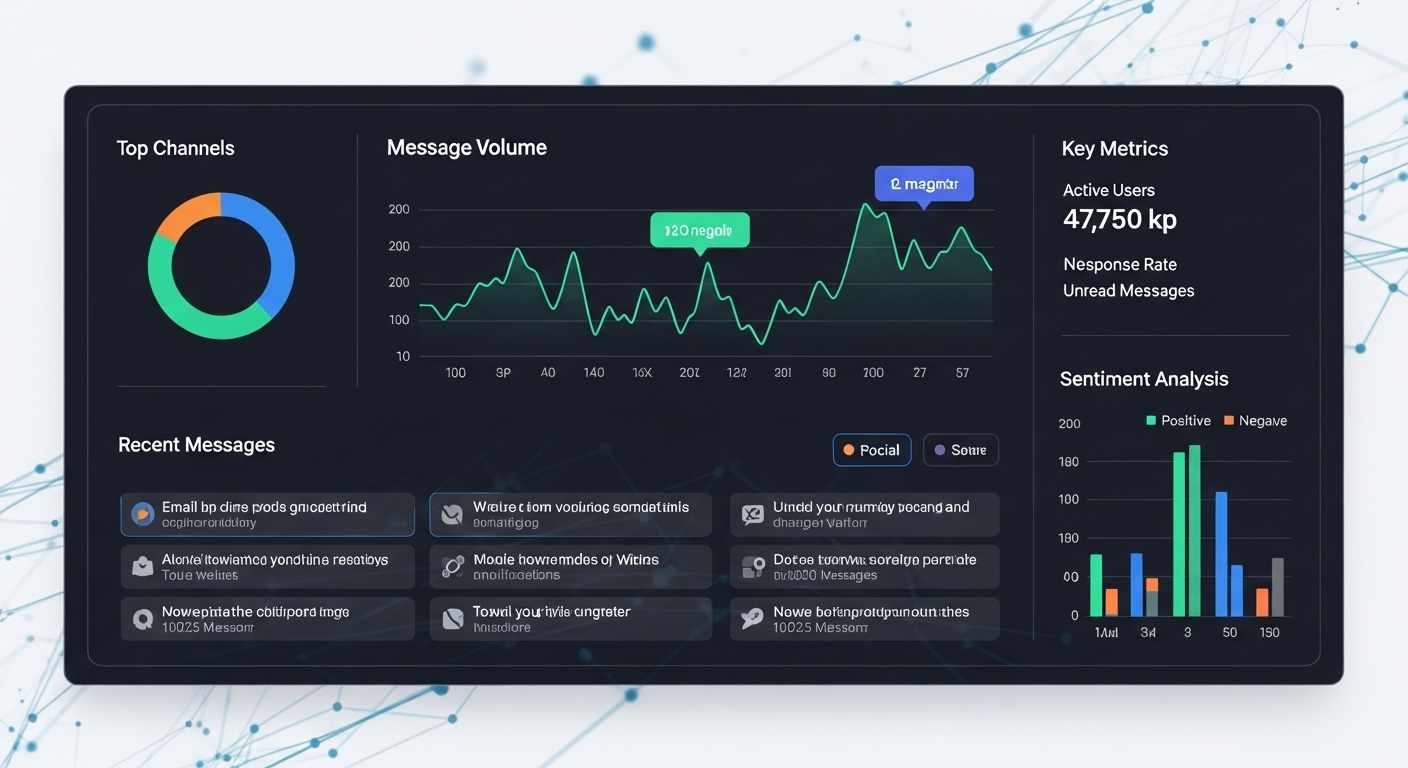
AI analyzes user chats, reviews, and emails to gauge sentiment in real time. This provides customer success teams with continuous feedback, helping them understand what’s working and what needs improvement.
Core Features of the Best AI Customer Service Software for Retention
Not all AI tools are created equal. The best AI customer service software offers a suite of features specifically designed to enhance customer success and retention.
A. Behavioral Analytics Dashboards
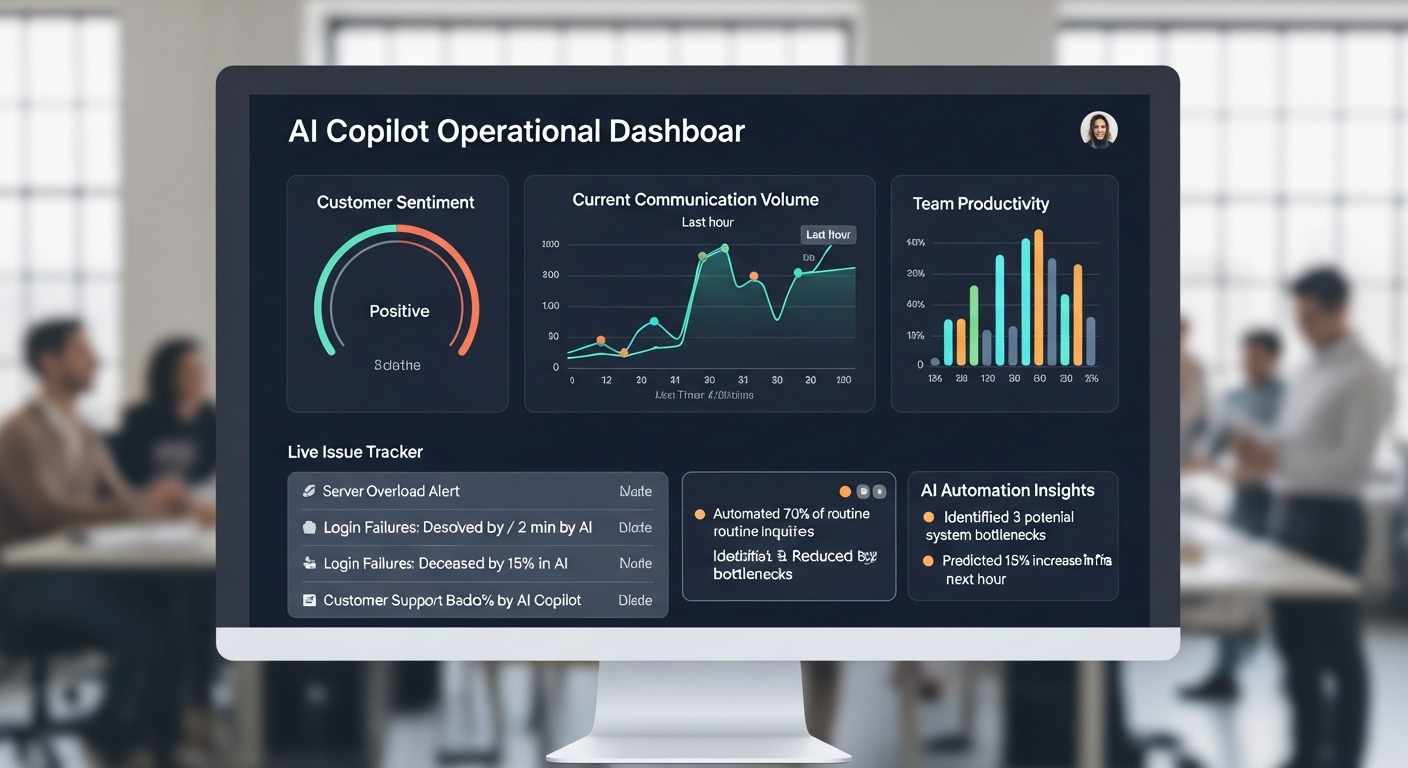
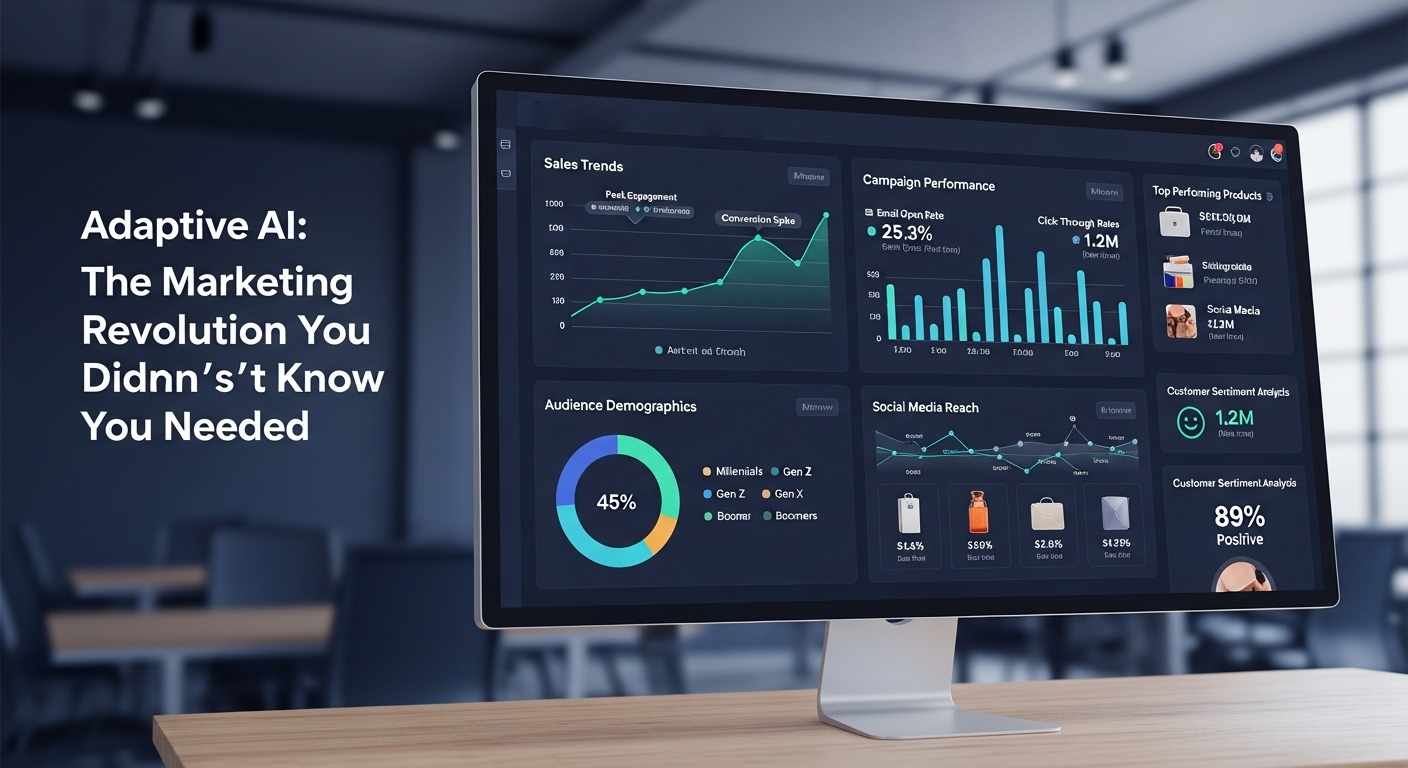
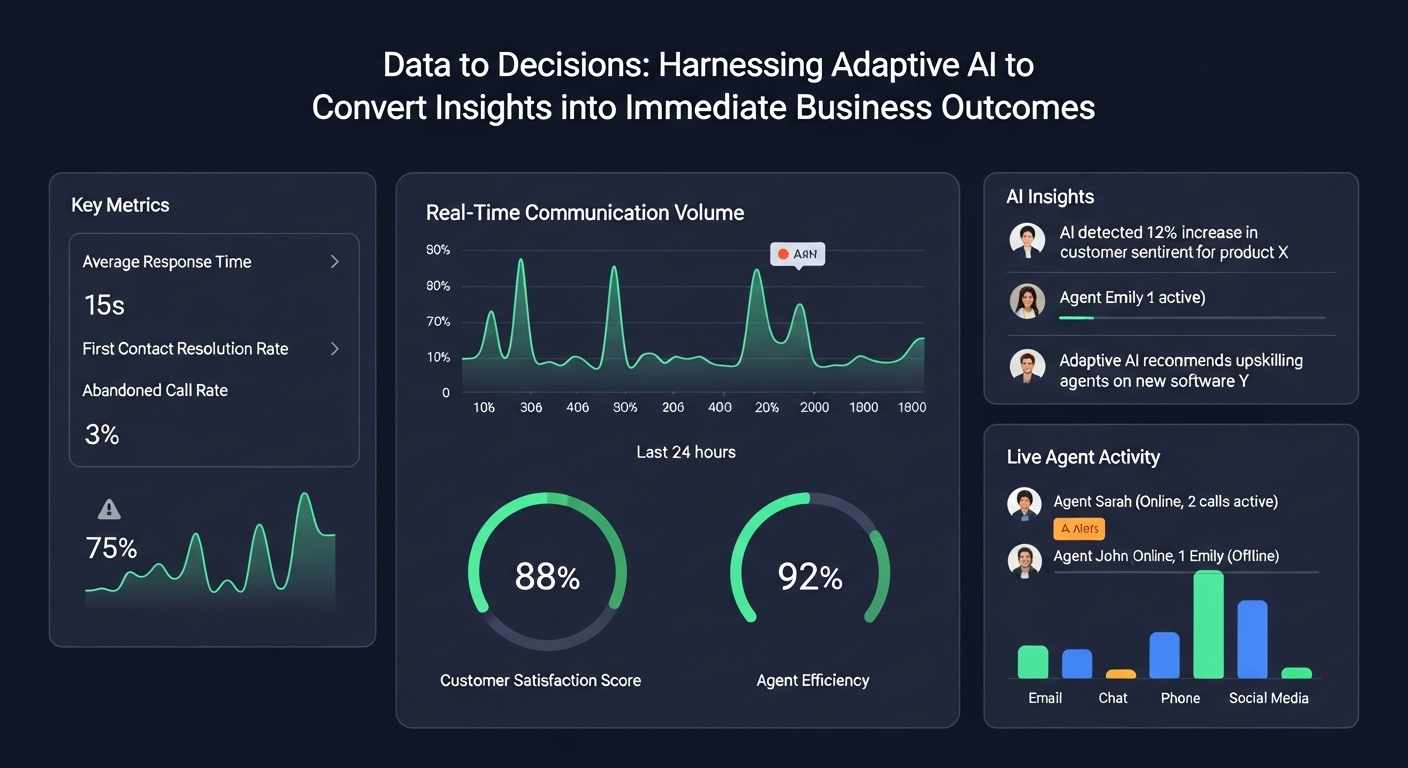
Track user engagement metrics, drop-off points, feature usage frequency, and churn probability—all in one intelligent dashboard.
B. Predictive Alerts
Set thresholds and automatically receive alerts when user behavior signals potential churn risks.
C. Automated Success Playbooks
Trigger workflows based on user journey stages—for example, sending training resources when adoption is low, or offering loyalty discounts when a subscription is nearing expiry.
D. Multi-Channel Communication
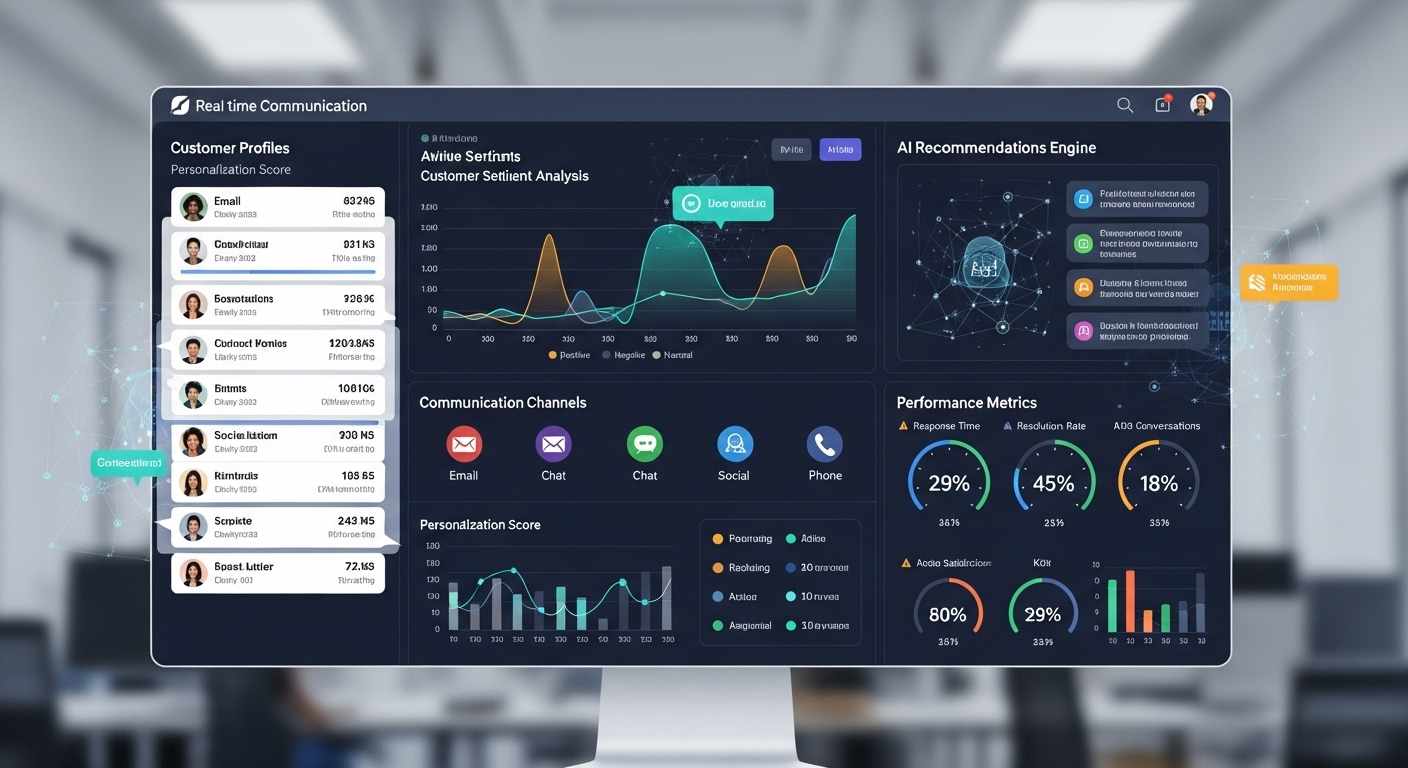
Engage users across email, in-app messaging, SMS, and chatbots—with AI managing responses and personalization across all platforms.
E. Self-Service Knowledge Portals
Leverage AI to populate and suggest relevant articles or tutorials to users based on their interaction patterns, helping them solve issues without raising tickets.
AI in Different Stages of the Customer Journey
To fully leverage AI customer support software, businesses must embed it across the entire user journey—not just post-sale.
1. Onboarding
AI chatbots help walk users through account setup, suggest first steps, and offer guidance based on role or business type. Early engagement sets the tone for retention.
2. Adoption
During the critical phase of adoption, AI monitors usage and identifies underutilized features. The system can then prompt tutorials, tips, or personalized check-ins to drive deeper engagement.
3. Value Realization
As users begin to extract value, AI helps quantify and communicate success. For example, usage reports, ROI dashboards, or NPS surveys can be triggered automatically.
4. Renewal and Upsell
AI identifies ideal moments to offer renewals or upgrades based on usage maturity and satisfaction scores. This ensures that success translates into revenue.
Real-World Examples of AI-Driven Customer Success
A. SaaS Productivity Tool
A global SaaS company offering project management software used the best AI customer support software to automate onboarding for SMB users. The AI chatbot helped new users set up their first project and guided them through feature adoption.
Results:
Onboarding completion rate increased by 38%
Support ticket volume dropped by 28%
Retention in the first 90 days improved by 21%
B. eLearning Platform
An ed-tech platform integrated AI customer service software to monitor student engagement. When a student didn’t complete lessons on time or showed inactivity, the AI triggered personalized nudges or study tips.
Results:
Course completion rate rose by 44%
Churn rate decreased by 30% over six months
Helpdesk response time improved by 50% through AI-assisted replies
Overcoming Common Implementation Challenges
1. Data Quality and Integration
AI relies heavily on accurate and clean data. Ensuring seamless integration with CRM, product usage analytics, and ticketing platforms is crucial for AI to function effectively.
2. User Trust and Transparency
Users need to know they’re interacting with AI, and businesses should be transparent about data usage. Ethical AI design builds trust and long-term loyalty.
3. Customization and Flexibility
Each business has unique success metrics. Choose AI customer support software that allows customization of triggers, alerts, and playbooks based on your retention strategy.
4. Training and Team Adoption
Even the best AI customer service software needs champions. Train your success team on how to interpret AI insights and adjust strategies accordingly.
The Future of Customer Success: Predictive, Autonomous, and Scalable
The next wave of AI tools will be even more advanced. Here's a glimpse of what lies ahead:
- Emotion AI
Beyond sentiment, AI will analyze tone, phrasing, and facial expressions (in video interactions) to detect deeper emotional cues.
- Autonomous Success Managers
Virtual success agents will manage entire account relationships, monitor KPIs, and schedule strategic interventions with minimal human oversight.
- Closed-Loop Feedback Systems
Future platforms will automatically collect feedback, analyze it, and convert it into prioritized product suggestions—ensuring product development is always aligned with user needs.
- Cross-Product Intelligence
AI will connect user behavior across different products and platforms, creating unified success strategies for multi-product ecosystems.
Final Thoughts
The path to customer retention is no longer paved by reactive support—it’s driven by proactive, AI-enhanced customer success. As user expectations climb and competition stiffens, the companies that thrive will be those that harness intelligent systems to guide users, solve problems before they surface, and deliver continuous value.
By implementing AI customer support software, businesses can deliver smarter, faster, and more scalable success experiences. And with the best AI customer service software, they can do it while optimizing cost, improving satisfaction, and turning every customer into a loyal advocate.
Now is the time to reimagine customer success—not as a cost center, but as an AI-powered growth engine.









Write a comment ...